Exploring Real-Time Capabilities with Django Channels
The modern web landscape has an escalating demand for real-time interactions, from live chats and collaborative tools to interactive notifications. Django Channels, an extension of the popular Django framework, opens doors to these dynamic capabilities by integrating WebSocket support and asynchronous processing. This development allows Django to break free from its traditional HTTP-based, synchronous structure, enhancing its flexibility for real-time applications.
Why Choose Django Channels?
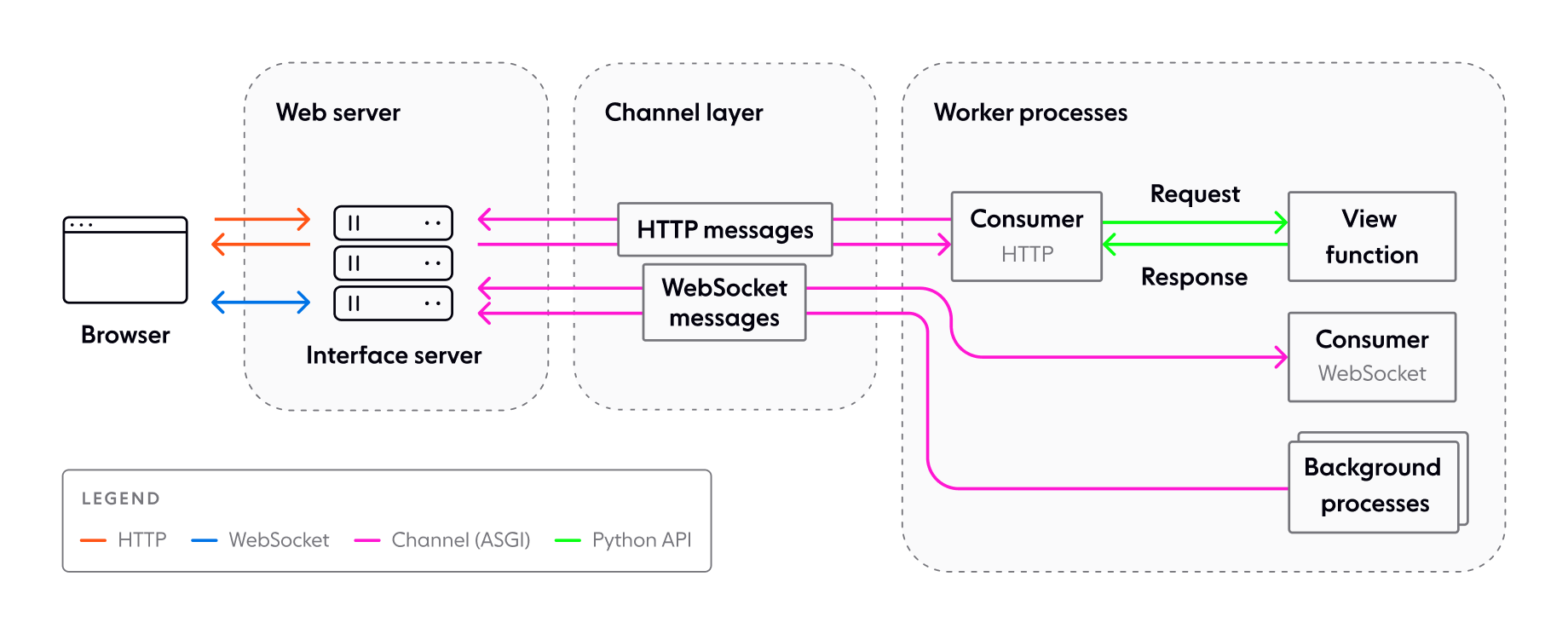
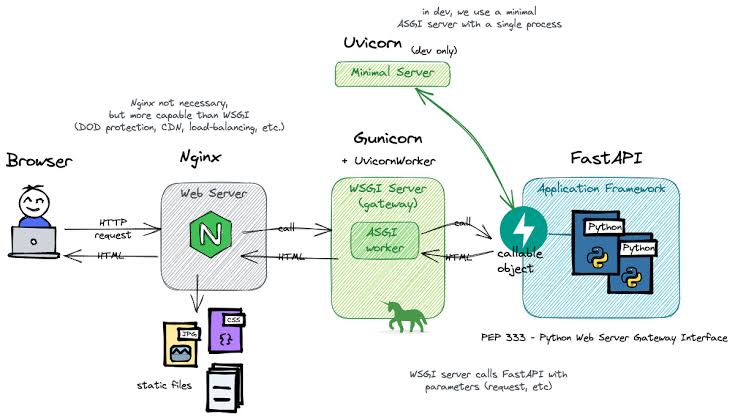
Unlike the typical request-response model, Django Channels uses the ASGI (Asynchronous Server Gateway Interface) server to enable two-way communication. WebSockets, a core feature of Channels, allow the client and server to exchange data seamlessly in real-time, making Django Channels an ideal choice for applications that require consistent data updates or multi-user interaction. For example, applications like live sports scores, collaborative editors, and real-time dashboards benefit tremendously from this asynchronous communication.
How Does It Work?
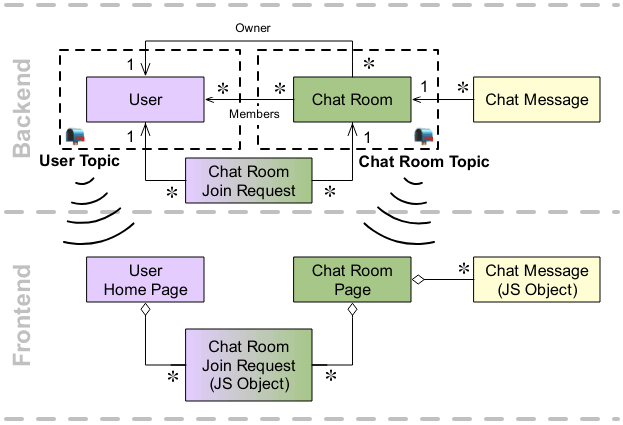
The Channels framework introduces several new concepts, including consumers and channel layers. Consumers handle WebSocket events, akin to how views manage HTTP requests, allowing the developer to handle connections, messages, and disconnections easily. Meanwhile, the channel layer, often backed by Redis, facilitates seamless communication across multiple consumers, even in a multi-server setup, making it highly scalable.
By blending asynchronous capabilities with Django’s ease of use, Django Channels represents a powerful tool for modern web applications. It significantly broadens the scope of Django's potential, allowing developers to push the boundaries of user experience in the real-time web environment. Whether building a simple notification system or an advanced collaborative platform, Django Channels empowers developers to bring interactivity and responsiveness to a new level.
Conclusion
In an era where real-time engagement is paramount, Django Channels stands out as a game-changer. It equips developers with tools to build robust, interactive applications that are responsive and scalable, making it an invaluable asset for creating next-generation web experiences that users demand.
Image source
Image 1 LinkImage 2 Link
Image 3 Link